
Last year, in September 2025, after attending a World Economic Forum-affiliated summit in India, I had the opportunity to teach a presentation class to local university students.
What awaited me there was their tremendous passion and drive, completely transcending the language barrier.
“I’m confident in my presentation skills, so I want to brush them up even more!”
“I want to hear about global strategies for succeeding on the world stage!”
With their eyes shining, they conveyed their thoughts with their entire bodies, without worrying about English grammar. I was deeply moved by their presence. However, amidst that profound emotion, a thought crossed my mind.
“As a Japanese person, what can I do for Japanese students? Isn’t there something I can teach in a classroom that I can’t convey just through speaking engagements?”
“If more Japanese people could express themselves like these students do, wouldn’t we see more Japanese people succeeding globally?”
The more I felt the heat of India firsthand, the more a passion swelled uncontrollably within me: “As a Japanese person, I first want to contribute to the students of Japan.”
■ The Passion for Nagoya that Drove Me to Action and a New Challenge
Upon returning to Japan, I acted before that passion could cool. Wondering, “Is there anything I can do right now?”, I personally contacted the education departments of my hometown, Nagoya City, and Aichi Prefecture.
And today, I have some exciting news to share with you all.
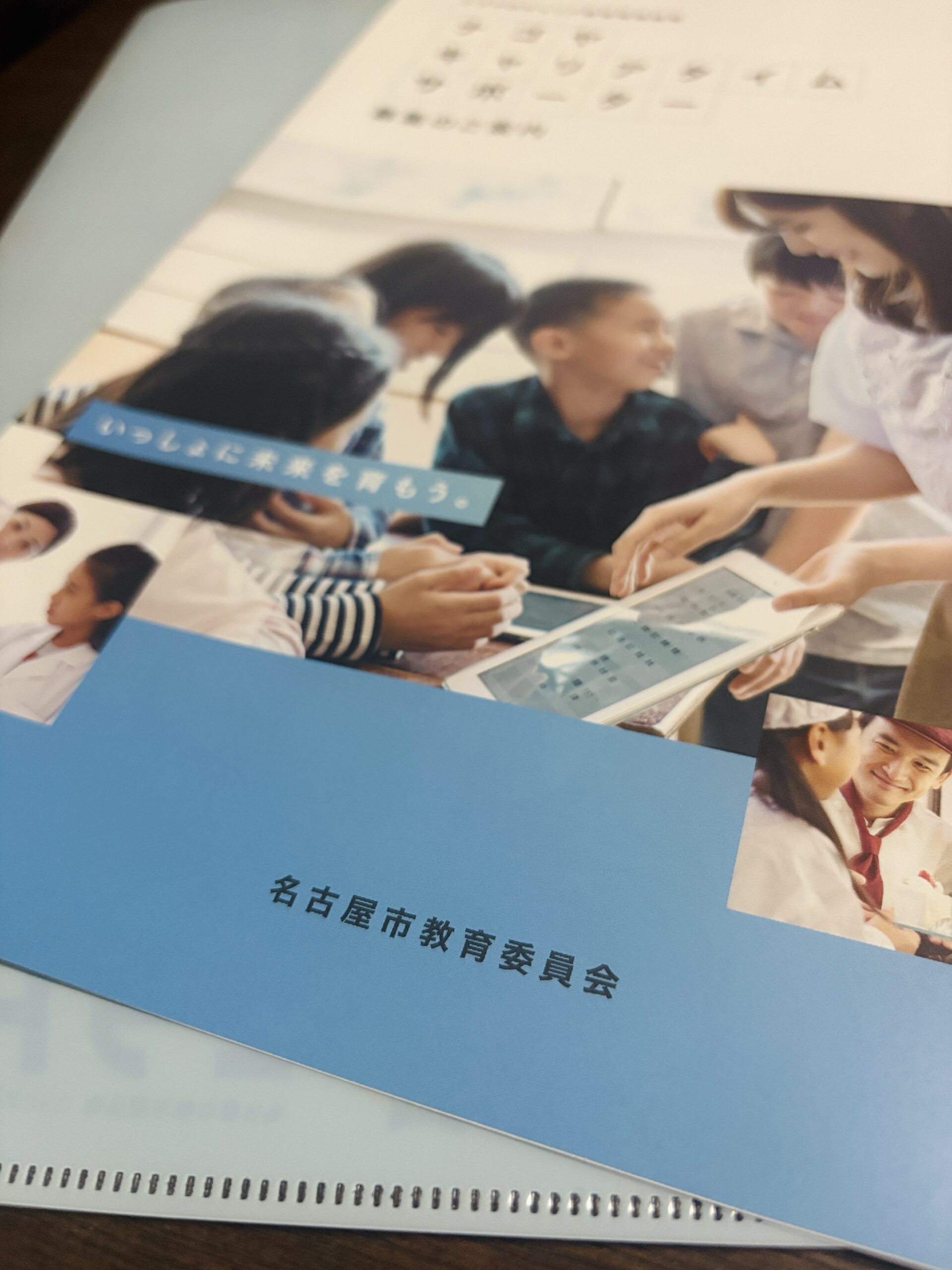
I have officially been appointed as a “Nagoya Career Time Supporter,” a project promoted by the Nagoya City Board of Education. This project aims to nurture children’s ability to realize their own unique ways of living by connecting them with “authentic adults” from the real world.
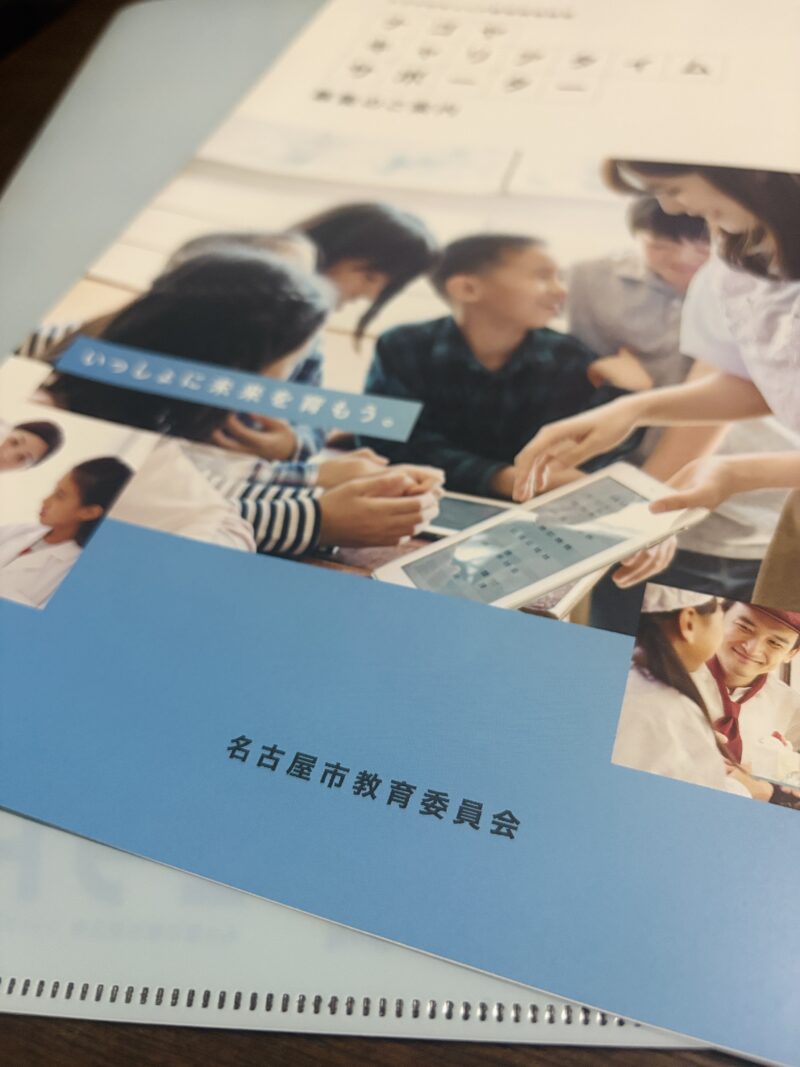
My heart is already pounding with the joy that the “Body Speech” techniques I have taught to executives and leaders can now serve the children who will shape our future.
■ “Authentic Expression” Lost Because It’s the SNS Era
We live in the era of social networking. Anyone can easily broadcast their thoughts, and at first glance, “expression” seems to have become very free.
But what is the reality?
“What do I think, and what kind of life do I want to live?”
There are not many people, even among adults, who can articulate this from the bottom of their hearts in their own words.
While worrying about how others see them or searching for the “correct answer,” they end up suppressing their true feelings.
Because I myself once suffered from extreme difficulty in speaking, suppressing myself to the point of hyperventilating in front of others, I understand that suffocation all too well. It feels ironic that precisely because we have more tools for expression, there is an increasing number of young people whose “true voices” are getting lost.
■ The State of “Alignment of Body, Word, and Mind” (Shin-Ku-I Itchi) that Body Speech Aims For
The “Body Speech” I teach is not merely a speech technique for talking skillfully.
In Buddhism, there is a concept called “Shin-Ku-I” (身口意). It refers to “Body (actions/behavior),” “Mouth (words),” and “Mind (heart/intent).”
When these three are disconnected, people unconsciously lie to themselves. Even if they feel “I have no confidence” in their hearts, they say positive things with their mouths, and their bodies are tense. That “dissonance” will invariably be conveyed to the other person, creating noise in human relationships.
What would happen if we could learn this expression that aligns “Body, Word, and Mind” from childhood?
There would no longer be a need to choose a future based on parents’ expectations or society’s calculations of loss and gain. People would become able to live according to their true intent of “how I want to be.”
When people become able to express themselves without lying to themselves, they let go of fear and can connect deeply with others in the truest sense.
■ From Nagoya to the World: The Ripple Effect that Enriches Society
This education does not stop at the personal growth of children.
If young people enter society with their own core and an alignment of body, word, and mind, it will bring immeasurable value to companies as well. If the communication dissonance of “saying one thing but thinking another” decreases, psychological safety within organizations will increase. Consequently, this should enrich society as a whole in the form of “lower turnover rates” and “improved engagement.”
Starting first from the educational field in my hometown, Nagoya, my origin. And then, I want to spread this circle of “expression through the alignment of body, word, and mind” throughout Japan, and even further, to the world.
To create a society where children treat themselves with reverence, like a “Sacred Tree (Goshimboku),” and can proudly speak of the future in their own words. My new challenge begins here.
コメント